Both cities are in Spain, both are on the coast, and both have serious nightlife scenes. But they feel completely different. Barcelona is internationally famous, expensive, and often crowded with tourists. Valencia is under the radar, more affordable, and authentically local. The question isn't which city is better. It's which one is better for you.
Price Comparison
This is where Valencia wins comprehensively. Club entry in Barcelona typically runs €15–25, and drinks inside large clubs cost €12–17. Pre-drinks in Barcelona's tourist-heavy areas are also expensive: bars in La Barceloneta charge €7–10 for a beer.
In Valencia: club entry is €10–15, drinks inside €8–12, and bars in El Carmen serve beers from €1.50–3. A realistic budget for a full night out in Valencia (pre-drinks + club + drinks inside) is €40–60. The same night in Barcelona is €70–100+. If budget matters, Valencia wins this comparison easily.
Crowd Comparison
Barcelona's most famous venues (Pacha, Opium, Shoko) are heavily international and tourist-dominated. On a Saturday night in summer, you might walk into a club and barely hear a word of Spanish. The crowd is often a mix of English stag parties, Italian tourists, and international students.
Valencia's scene is overwhelmingly local. The clubs here are where actual Valencians go out. Even at popular venues, the crowd is predominantly Spanish. If you want an authentic Spanish nightlife experience, that's exactly what you're looking for. The energy is different, more spontaneous, less performative.
Music Comparison
Barcelona has a stronger international electronic music circuit. Razzmatazz books global DJs regularly. Sónar (June) is one of Europe's most important electronic music festivals. Sala Apolo and The Loft have excellent programming. Barcelona's clubs can afford bigger names because they charge more at the door.
Valencia's MYA is widely respected in the Spanish electronic scene and regularly books strong international acts. The programming is focused rather than broad: you won't find the same variety as Barcelona, but the quality at the top end is excellent. Both cities have strong reggaeton and Latin nights on weekends.
Venue Style
Barcelona has more iconic venues: Razzmatazz's five rooms, the converted factory of Sala Apolo, the waterfront clubs along the Barceloneta. The infrastructure for a big night out is impressive. Valencia's venues are smaller and more intimate (MYA, Sala Ava, Loco Club) but less crowded and less expensive. You're more likely to get close to the dancefloor and less likely to wait 45 minutes at the bar.
Summer Nightlife
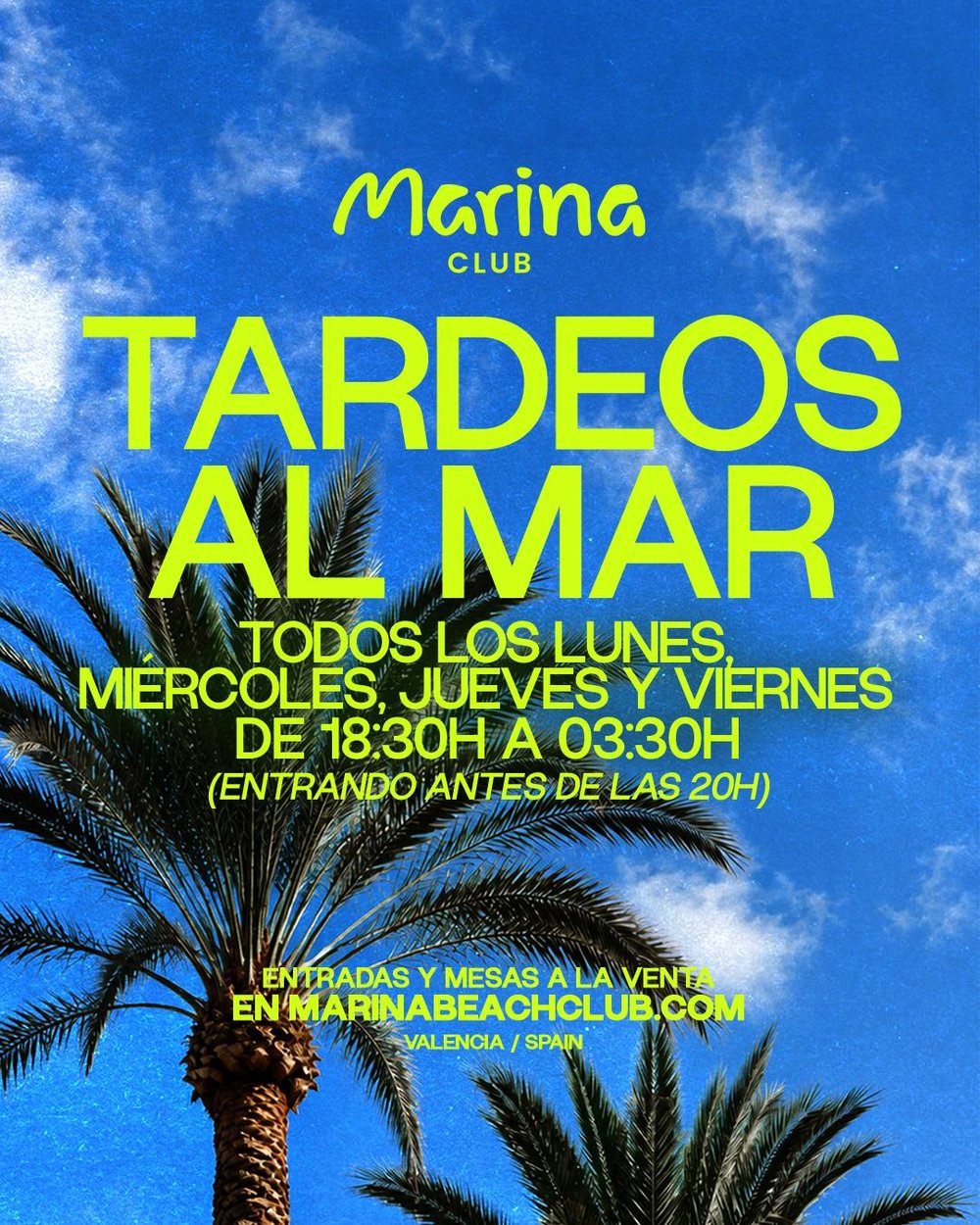
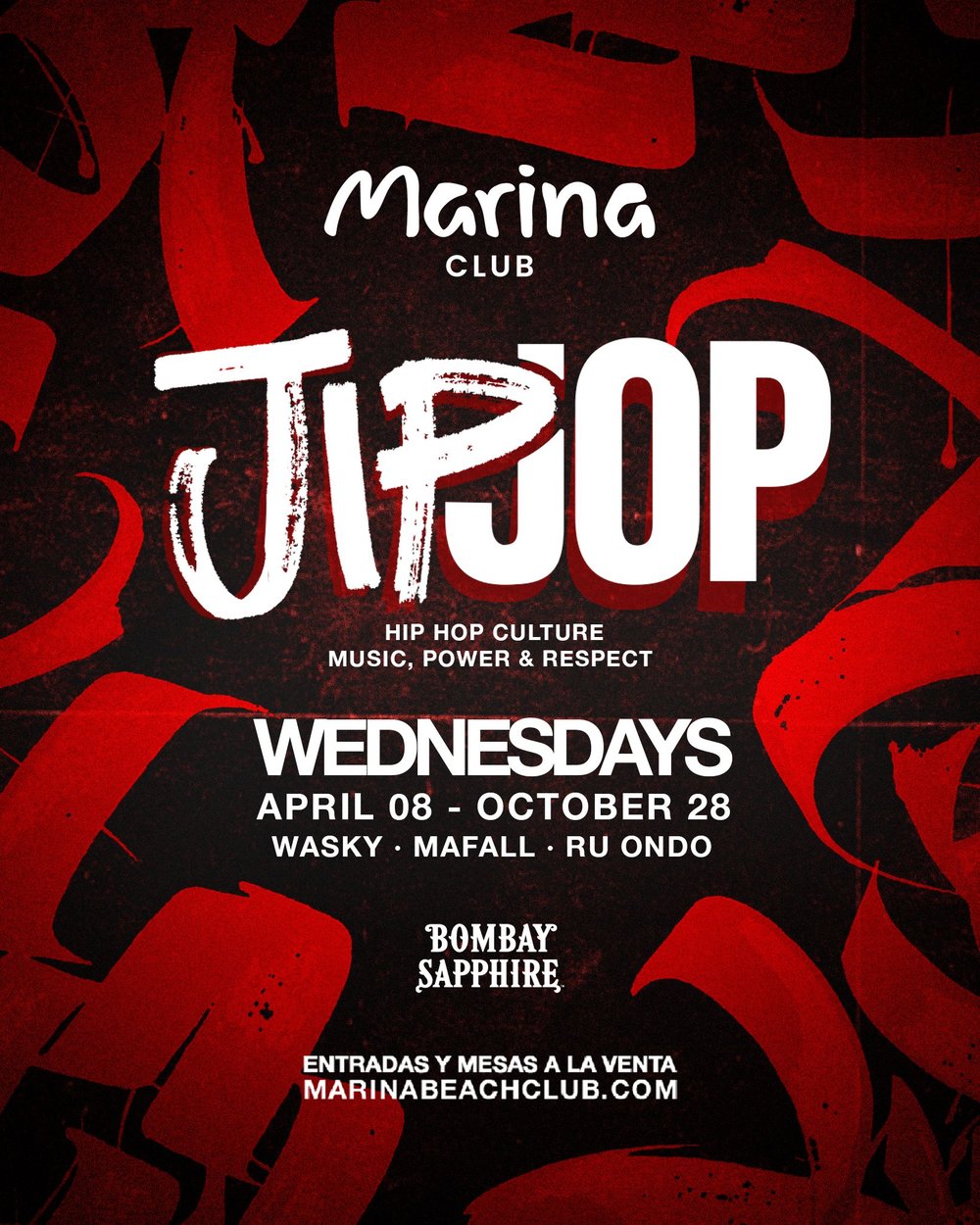
Barcelona has beach clubs directly accessible from the city center: W Hotel's Eclipse, Opium Beach, Shoko. In summer, these are packed but genuinely impressive. Valencia's beaches are equally beautiful and significantly less crowded. Marina Beach Club and the Cabanyal bars offer a calmer, more local summer experience at a fraction of the price.
Insider Tip
If it's your first time in Spain, go to Barcelona. The infrastructure, the famous venues, and the broader tourist experience make it the obvious choice for first-timers. But if you've done Barcelona and you want to experience where actual Spanish people go out, choose Valencia. The contrast is significant and surprising.
Getting There: Valencia and Barcelona Together
Valencia and Barcelona are 3.5 hours apart by high-speed train. It's very easy to combine both cities in one trip: three nights in Barcelona, two in Valencia, or vice versa. The Renfe AVE train makes the journey comfortable and fast. This comparison doesn't have to be an either/or decision.